
Recent devastating floods in Pakistan, right on the heels of the catastrophic one in 2022 resulted in loss of valuable lives, severe economic and social impact, causing billions of dollars in damages, destroying infrastructure, and leading to widespread poverty and health crises, including increased malnutrition and rampant spread of water-borne diseases. The agricultural sector has also been hit hard, threatening food security and export revenues, while the overall economic outlook remains bleak due to repeated extreme weather events and slow international financial support for climate adaptation. Forecasts indicate continued challenges, with rising temperatures and melting glaciers increasing flood risks, and the potential for prolonged damages.
It is no longer a choice—it is an urgent necessity to learn to co-exist with nature and to develop collective, sustainable strategies that can be put into action now. The time has come for governments, communities, the private sector, and international partners to unite under one call for action—thinking locally while acting globally.
This conference will bring together leading thought leaders, experts, and community voices to confront the pressing challenges of water and climate governance. This conference is not just a dialogue—it is a platform for actionable solutions.
At this conference, we place communities at the center of the conversation, recognizing that their knowledge and lived experience hold the key to innovative, nature-based solutions. Together, we can chart a new path that strengthens resilience, addresses governance challenges, and redefines how the world responds to water and climate crises – to share solutions that move beyond debate and into action.
Water is the lifeline that shapes civilisations, sustains economies and determines the health and well-being of entire populations. Yet today, irresponsible behaviour of sections of the human race and the climate crisis are rapidly destabilising the global water cycle, leading to storms, downpours, droughts and floods. This crisis is also deepening existing inequalities and propelling new ones.
The urgency to address the interconnections between water, people and health has never been greater than it is now. The destruction left behind is already visible, yet the real toll will continue to unfold in its ramifications on disease outbreaks, food shortages and water scarcity. This is a critical moment to rethink, recalibrate and re-strategize so that we are better prepared for the next climate-driven disaster.
Surviving in this environment of constant catastrophes and rapid adaptation to the changes in water regimes, requires dexterity and new solutions – nothing short of transformation of our thinking. In Pakistan, the Indus River, the nation’s lifeline, supports agriculture, energy, and domestic use, yet a combination of climate change, mismanagement, and rapid population growth has left Pakistan water stressed, with per capita water availability plummeting by 80% since independence. These manifestations are not merely ecological failures, they are also political, shaped by how water is governed, who gets access, and how decisions are made.
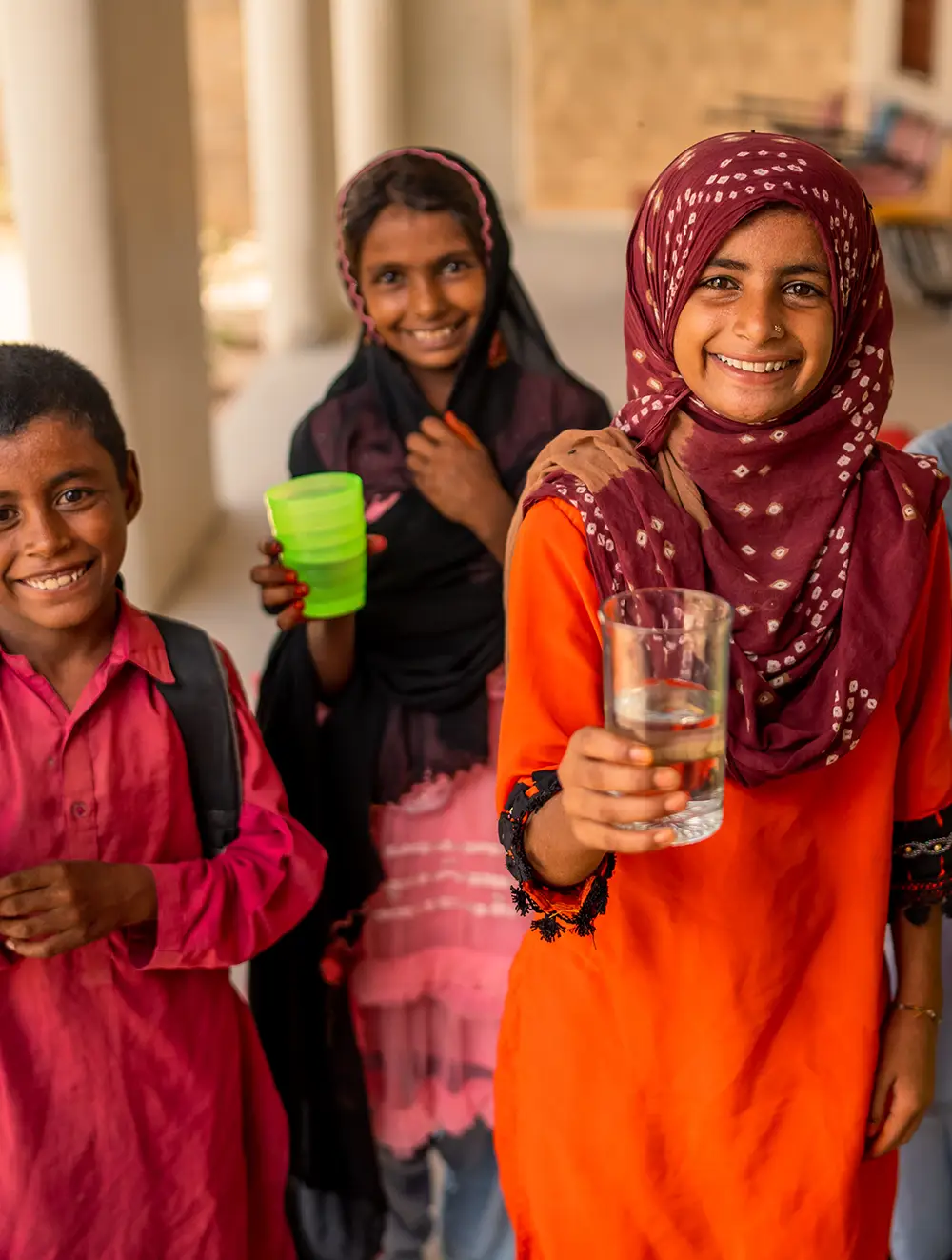
This conference will highlight community and youth led action by showcasing a peoplecentric model co-created with women at its core. It will emphasize sustainable solutions for long-term impact, integrating nature-based solutions to address climate challenges and foster ecosystem restoration. By placing local communities, women and youth at the center of these efforts, the conference will reinforce their role in driving climate adaptation and environmental sustainability.
This conference will highlight the less visible, yet deeply interlinked consequences of water on people’s well-being and health, ensuring that the voices of those most affected but often unheard shape the solutions.
At the heart of this transformative journey are the local communities that have long nurtured nature-based solutions. Their deep connection with the land and water has enabled them to develop adaptive practices that restore both nature and ensure survival.
To create a more holistic plan for the transformative future of water and the world, this conference will propagate the idea of,
‘Think Local, Act Global.’
Action begins with decolonizing our approaches and honouring indigenous expertise of local communities, women and youth to forge a future where local knowledge contributes to a globally transformative movement for people and water.
Join us in co-creating a
Living Charter
for Water and People
a roadmap drafted by the very communities it will serve.